
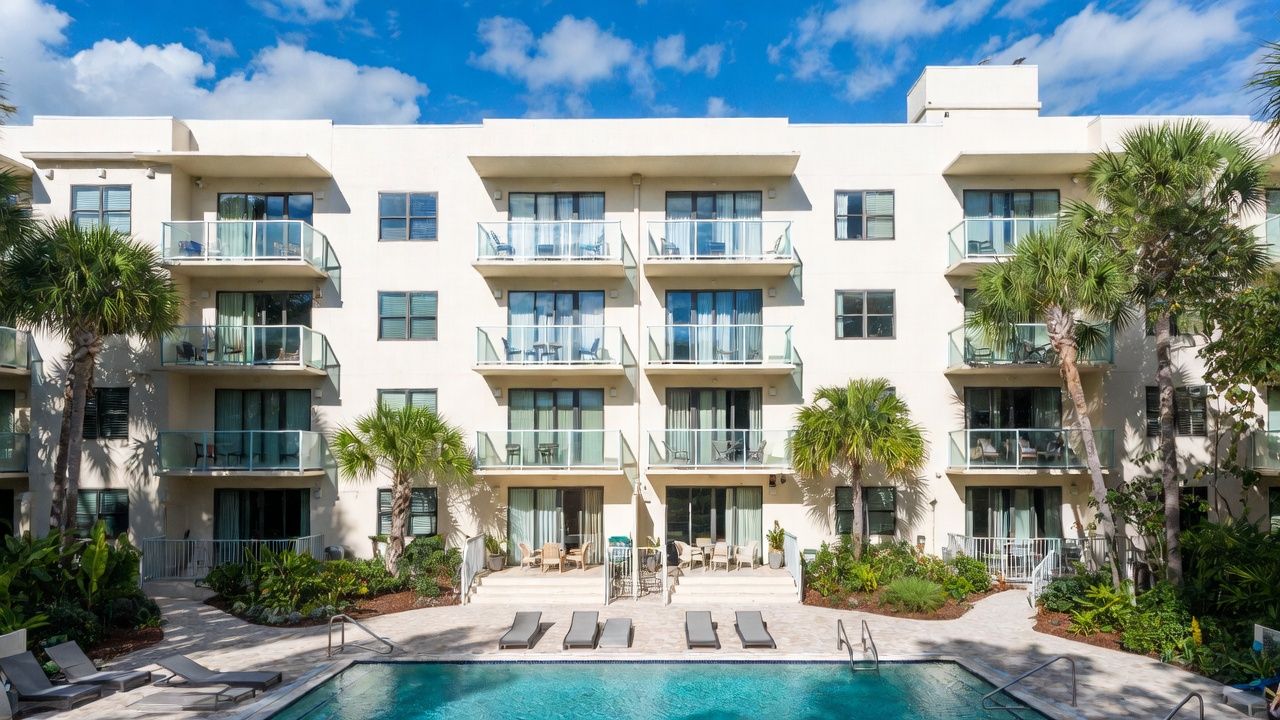
Why Florida Condo Mortgages Are More Complicated
Buying a condo in Florida offers major lifestyle perks—beach access, low-maintenance living, and vibrant communities. But when it comes to financing, condo purchases present challenges that don’t typically come with single-family homes. From strict homeowners association (HOA) rules to rising insurance costs, Florida condo buyers often face roadblocks when trying to secure a mortgage.
At LBC Capital, we understand how to guide buyers through these challenges. Here’s what every Florida condo buyer needs to know—and how to overcome the biggest obstacles to financing.
Unlike traditional home loans, condo mortgages must meet more than just borrower qualifications. Lenders also evaluate the building itself, the condo association’s financial stability, and its insurance policies. If anything raises red flags, your loan could be denied—even with excellent credit.
The reason is simple: condos involve shared ownership. That means any financial or structural issue with the building could impact your ability to repay the loan or the lender’s ability to recover losses in a foreclosure. As a result, the mortgage approval process includes a deeper investigation into the HOA, insurance coverage, and the condo’s eligibility status.
How HOA Financial Health Affects Loan Approval
HOA reserves and lender scrutiny
One of the first things lenders evaluate is the financial health of the homeowners association. In Florida, many condos fall short of conventional lending requirements because the HOA doesn’t allocate enough money toward reserves. Most lenders follow Fannie Mae and Freddie Mac guidelines, which require that at least 10% of the HOA’s annual budget go toward reserve funding.
Without sufficient reserves, the building is seen as financially unstable. That raises red flags for lenders, who may then deny the loan or require a significantly larger down payment.
How buyers can protect themselves
Before making an offer, buyers should carefully review the HOA’s financial documents. These include the budget, reserve study, and meeting minutes. These documents can reveal whether the association is managing funds responsibly or heading toward major repairs with no money set aside.
LBC Capital helps our clients analyze these records early in the process. If the HOA isn’t in good financial shape, we can identify alternatives or help structure financing to mitigate risk.
Non-Warrantable Condos and Limited Financing
What makes a condo non-warrantable
A condo is considered non-warrantable if it doesn’t meet the lending criteria set by Fannie Mae or Freddie Mac. This can happen for several reasons, including:
- More than 50% of units are investor-owned
- The building is involved in ongoing litigation
- There is insufficient insurance or reserve funding
- The association has high delinquency rates on dues
When a condo is non-warrantable, conventional loans are typically off the table. Instead, buyers may need to look at portfolio loans or private lending, which often come with higher rates and more restrictive terms.
Why LBC Capital makes a difference
At LBC Capital, we offer access to both conventional and alternative loan options. Our team knows which lenders work with non-warrantable condos and how to structure deals that meet strict underwriting requirements. If a condo isn’t eligible for a conventional loan, we don’t walk away—we find a way to make it work.
Rising Insurance Costs Add Another Layer of Complexity
Master policies vs. individual coverage
In Florida, condo associations are required to carry a master insurance policy that covers the building structure, shared areas, and liability for common elements. However, this policy doesn’t cover what’s inside your unit—like flooring, cabinetry, appliances, or personal belongings.
That’s why individual unit owners typically need to carry an HO-6 policy. This “walls-in” insurance covers interior damage and personal property. Even though Florida law doesn’t require HO-6 coverage, mortgage lenders almost always do.
If you don’t have an individual policy in place, the loan won’t close. That’s why it’s important to secure your insurance early in the homebuying process.
How high premiums affect mortgage approval
Insurance premiums in Florida have increased significantly due to hurricane risk and the overall instability of the state’s insurance market. For condo buyers, these rising costs can push monthly housing expenses beyond the limit lenders allow.
Lenders evaluate your debt-to-income (DTI) ratio to determine if you can afford the monthly payment. If insurance premiums are high, it can tip your DTI over the acceptable threshold and lead to a loan denial—even if everything else looks solid.
At LBC Capital, we help our clients get accurate insurance quotes upfront. This allows us to calculate true affordability and prevent unpleasant surprises later in the process.
Flood and Windstorm Insurance Requirements
What lenders expect
In coastal areas or FEMA-designated flood zones, additional insurance policies may be required. These include flood insurance and windstorm coverage, which are often not included in the condo association’s master policy. If you’re financing with a government-backed loan, such as FHA or VA, these requirements are strictly enforced.
Buyers must confirm whether these coverages are already in place or if they’ll need to purchase separate policies. Lenders typically require documentation before issuing final approval.
How LBC Capital helps you stay compliant
We work closely with insurance providers to ensure the proper coverage is in place before closing. Our team communicates directly with underwriters, helping prevent costly delays caused by missing or incomplete insurance documents.
Final Thoughts
Florida condo financing is more complex than buying a house, but it’s absolutely achievable with the right guidance. By understanding how HOA financials and insurance requirements affect your mortgage, you can take steps to prepare and succeed.
LBC Capital provides expert support every step of the way. We review the building’s eligibility, secure competitive financing options, and help you navigate the Florida condo market with confidence. Whether you’re a first-time buyer or a seasoned investor, we’ll help you secure the mortgage you need—despite the challenges.